
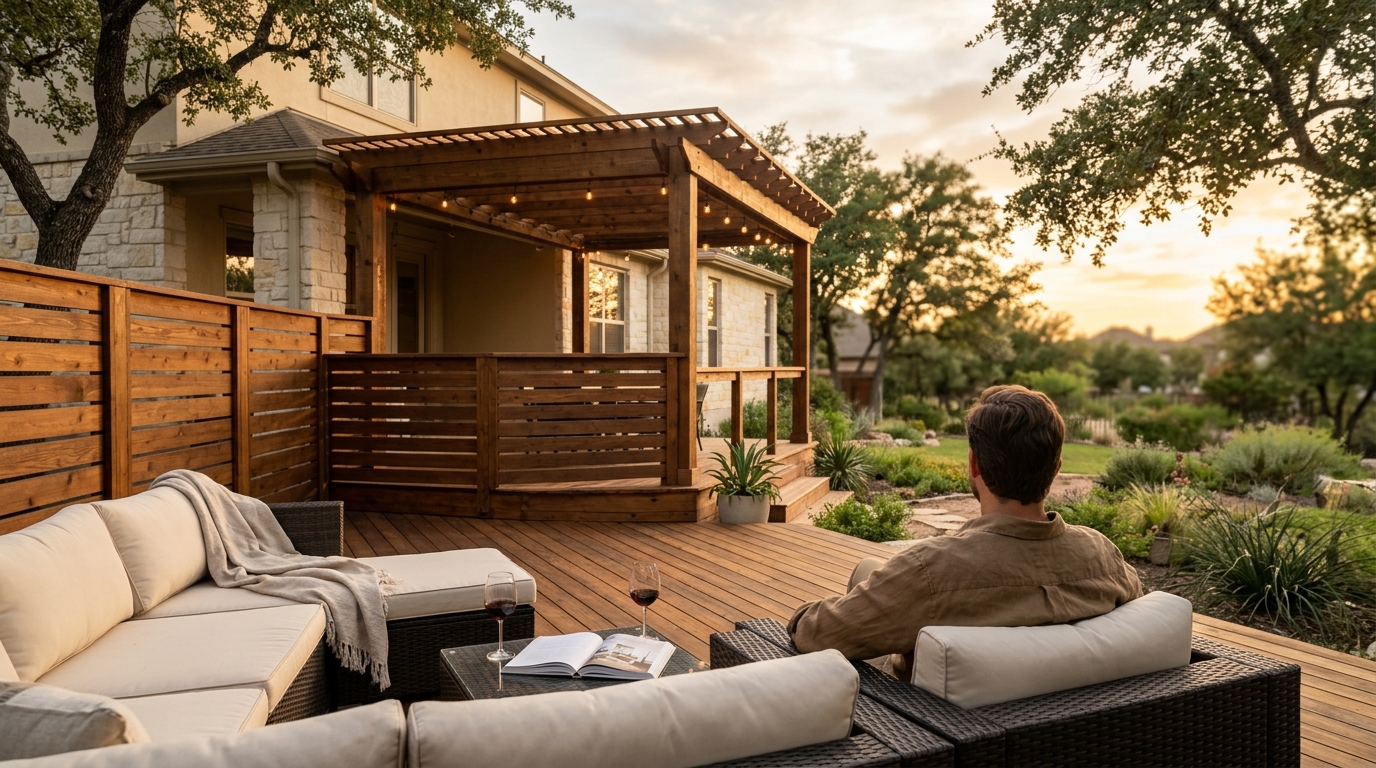
Homeowners in the Alamo City face a unique challenge when it comes to outdoor wood preservation. The intense Texas sun and fluctuating humidity levels accelerate wood degradation faster than in most other regions. According to industry data, untreated wood exposed to direct UV radiation can lose up to 20% of its structural integrity within the first three years. This rapid deterioration makes professional staining not just an aesthetic choice, but a critical maintenance requirement for property longevity. (Painting amp Home Improvement)
Why Staining Matters in San Antonio
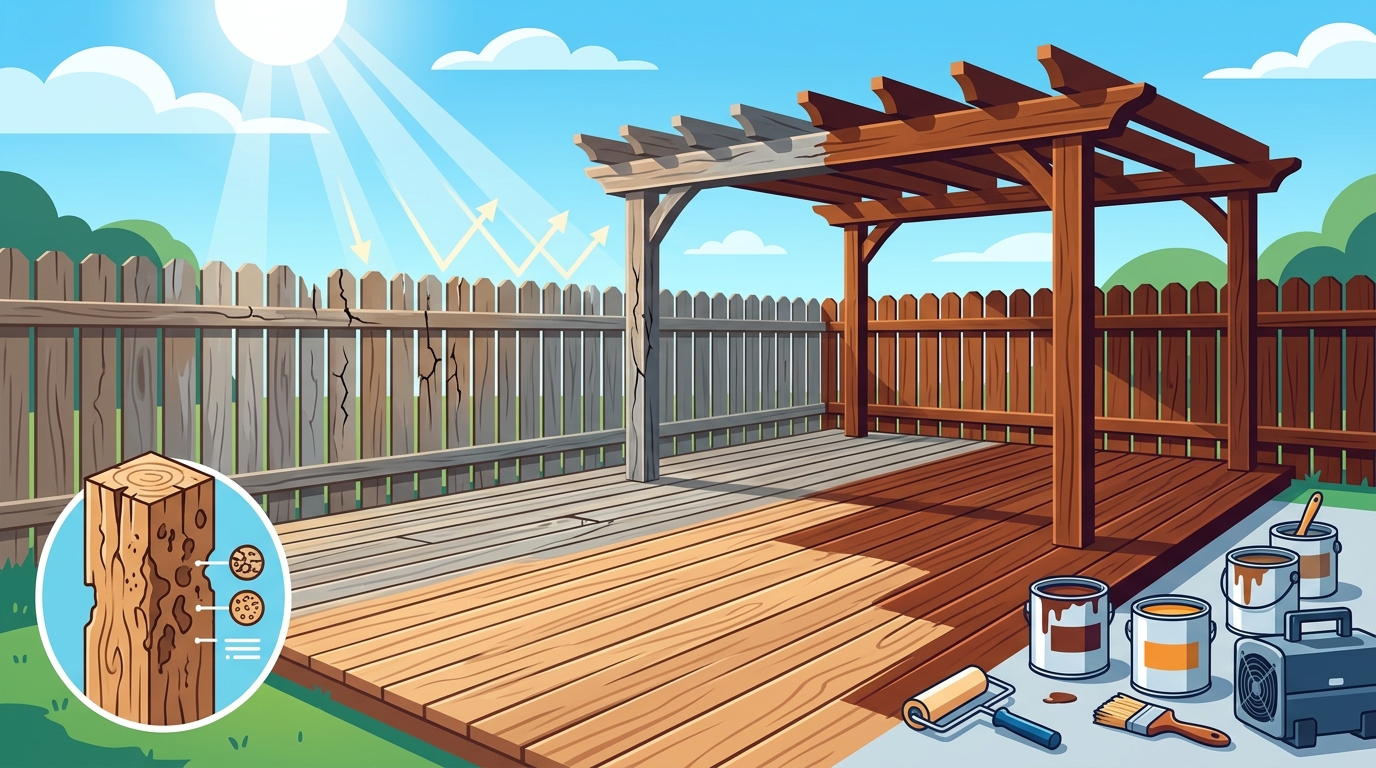
San Antonio's climate is defined by high temperatures and periodic heavy rainfall. This combination creates a hostile environment for exterior wood. Wood is porous, meaning it absorbs water during rain and releases it during dry spells. This cycle causes the wood to swell and shrink, leading to cracks, warping, and rot. (Exterior Painting Services Texas)
Staining acts as a protective barrier. It penetrates the wood fibers to repel moisture while allowing the material to breathe. This prevents the buildup of mold and mildew, which thrive in humid environments. Furthermore, stains contain UV inhibitors that block harmful rays from breaking down the lignin in the wood. Without this protection, wood turns gray and brittle, requiring expensive replacement rather than simple maintenance.
For homeowners in Cibolo and the greater San Antonio area, regular staining extends the life of outdoor structures by decades. It also preserves property value by maintaining a well-kept appearance. Neglecting this maintenance can lead to costly repairs that far exceed the initial cost of professional staining.
Deck Staining: Protecting Your Outdoor Living Space
Decks are the heart of outdoor entertainment in Texas. They endure constant foot traffic, furniture weight, and exposure to the elements. A properly stained deck not only looks beautiful but also withstands the physical stress of daily use.
The Importance of Surface Preparation
Deck staining is 80% preparation and 20% application. Before any stain is applied, the wood must be thoroughly cleaned. This involves removing dirt, mildew, and old, peeling finish. Pressure washing is often used to open the wood pores, allowing the stain to penetrate deeply.
Once cleaned, the wood must dry completely. In San Antonio's humidity, this can take several days. Rushing this step leads to premature stain failure. After drying, any rough spots are sanded smooth to ensure an even finish. This meticulous prep work ensures the stain adheres properly and lasts longer.
Choosing the Right Stain
There are three main types of deck stains: clear, semi-transparent, and solid. Clear stains offer minimal UV protection but show the natural wood grain. Semi-transparent stains provide a balance of color and UV protection. Solid stains offer the most protection and hide wood imperfections but obscure the grain.
For San Antonio's intense sun, semi-transparent or solid stains are generally recommended. They provide better UV resistance and help prevent the wood from graying. The choice depends on the homeowner's aesthetic preference and the condition of the existing wood.
Fence Staining: Security Meets Aesthetics
Fences serve a dual purpose in San Antonio homes. They provide privacy and security while defining property boundaries. However, they are often the most exposed part of a property, facing wind, sun, and rain from all sides.
Material Considerations
Most fences in the area are made of cedar, pine, or redwood. Cedar and redwood have natural oils that resist decay, but they still benefit from staining. Pine is more susceptible to rot and requires a high-quality stain with preservatives.
Staining a fence helps prevent the wood from splitting and warping. It also keeps the wood from absorbing moisture, which can lead to rot and insect infestation. A well-stained fence maintains its structural integrity and visual appeal for years.
Application Techniques
Fence staining can be done with a brush, roller, or sprayer. Brushing is often preferred for its ability to work the stain into the wood grain. Spraying is faster but may require back-brushing to ensure even coverage. Regardless of the method, it is crucial to apply the stain evenly to avoid blotchiness.
Homeowners should also consider the direction of the wood grain. Applying stain in the direction of the grain helps achieve a uniform look. It is also important to stain the ends of the boards, as they absorb moisture more quickly than the sides.
Pergola Staining: Enhancing Architectural Features
Pergolas add architectural interest and shade to outdoor spaces. They are often made of wood beams and posts that require regular maintenance to prevent weathering.
Preserving Wood Beams
Pergola beams are often exposed to direct sunlight from above. This can cause the wood to dry out and crack. Staining helps retain moisture in the wood and protects it from UV damage. It also enhances the natural beauty of the wood, making the pergola a focal point of the garden.
Matching the Home's Exterior
When staining a pergola, it is important to consider the home's exterior color scheme. The stain should complement the house's trim and siding. This creates a cohesive look that enhances curb appeal. Homeowners can choose a stain that matches their trim or a contrasting color to make the pergola stand out.
Regular maintenance of pergolas includes checking for loose bolts and ensuring the structure is stable. Staining should be done every two to three years, depending on the wear and tear.
How to Choose the Right Staining Contractor
Finding a reliable staining contractor in San Antonio can be challenging. With so many options, it is important to do your due diligence. Here are some key factors to consider when selecting a provider.
| Factor | Why It Matters | What to Look For |
|---|---|---|
| Local Experience | Knowledge of San Antonio's climate and wood types | Years in business, local references |
| Preparation Process | Ensures stain adhesion and longevity | Pressure washing, sanding, drying time |
| Product Quality | Affects durability and UV protection | Brand of stain, warranty offered |
| Customer Reviews | Indicates reliability and workmanship | 5.0 Google Reviews, detailed testimonials |
| Pricing Transparency | Prevents hidden costs | Detailed, fixed-price quotes |
Experience is a critical factor. A contractor with years of local experience understands the specific challenges of staining in San Antonio. They know which stains work best for different wood types and how to prepare surfaces for maximum durability.
Customer reviews are also a valuable resource. Look for contractors with high ratings and positive feedback. Pay attention to comments about professionalism, timeliness, and the quality of the final result. A contractor with a strong reputation is more likely to deliver a satisfactory outcome.
Transparency in pricing is another important consideration. A reputable contractor will provide a detailed, fixed-price quote before starting the work. This quote should include all costs, such as materials, labor, and preparation. Avoid contractors who give vague estimates or hesitate to provide written quotes.
Key Takeaways
- San Antonio's climate accelerates wood degradation, making professional staining essential for longevity.
- Deck staining requires thorough surface preparation, including pressure washing and sanding, to ensure proper adhesion.
- Fence staining protects against moisture, rot, and insect infestation, preserving structural integrity.
- Pergola staining enhances architectural features and prevents UV damage to wooden beams.
- Choosing a contractor with local experience and transparent pricing ensures a high-quality result.
- Regular maintenance every two to three years extends the life of outdoor wood structures.
- Texas Lonestar Painting offers specialized staining services with a focus on durability and customer satisfaction.
Frequently Asked Questions
How often should I stain my deck in San Antonio?
In San Antonio's harsh climate, it is generally recommended to stain your deck every two to three years. However, this depends on the type of stain used and the amount of sun exposure. Semi-transparent and solid stains typically last longer than clear stains. Regular inspections can help determine when it is time to reapply.
What is the best time of year to stain a fence or deck?
The best time to stain outdoor wood in San Antonio is during the spring or fall. These seasons offer moderate temperatures and lower humidity, which are ideal for stain application. Avoid staining during the peak heat of summer or during periods of heavy rain. The wood must be completely dry before staining.
Can I stain my fence myself, or should I hire a professional?
While DIY staining is possible, hiring a professional ensures a higher quality and longer-lasting result. Professionals have the experience to properly prepare surfaces and apply stain evenly. They also have access to commercial-grade products that offer better protection. For complex projects or large areas, professional staining is highly recommended.
What type of stain is best for cedar fences?
Cedar has natural oils that resist decay, but it still benefits from staining. A semi-transparent stain is often recommended for cedar fences. It allows the natural grain to show while providing UV protection. Solid stains can also be used if you prefer a more uniform color. Avoid clear stains, as they offer minimal UV protection.
How do you prepare wood for staining?
Wood preparation involves cleaning, sanding, and drying. First, the wood is pressure washed to remove dirt and mildew. Next, any rough spots are sanded smooth. Finally, the wood is allowed to dry completely. This process ensures that the stain penetrates deeply and adheres properly. Skipping any of these steps can lead to premature stain failure.
Does staining protect against insects?
Staining itself does not kill insects, but it helps prevent the conditions that attract them. By repelling moisture, stain reduces the risk of rot, which can attract termites and other wood-boring insects. Some stains also contain preservatives that offer additional protection against decay and insect damage.
What is the difference between staining and painting wood?
Stain penetrates the wood, allowing the grain to show, while paint sits on top of the surface. Stain is more flexible and less likely to peel or crack. Paint offers more color options but can hide the natural beauty of the wood. For outdoor wood structures, stain is generally preferred for its durability and natural look.
Get Your Free Estimate Today
Protecting your outdoor wood structures is an investment in your home's value and longevity. Texas Lonestar Painting provides expert deck, fence, and pergola staining services tailored to San Antonio's unique climate. Our team uses high-quality, weather-resistant stains to ensure your wood looks beautiful and lasts for years.
We offer transparent, fixed-price quotes with no hidden fees. Our process includes thorough surface preparation, professional application, and a final walkthrough to ensure your satisfaction. We also offer discounts for military members, veterans, first responders, and teachers.
Don't wait until your wood is damaged beyond repair. Contact Texas Lonestar Painting today to schedule your consultation and get a free estimate. Visit our booking page to get started.