
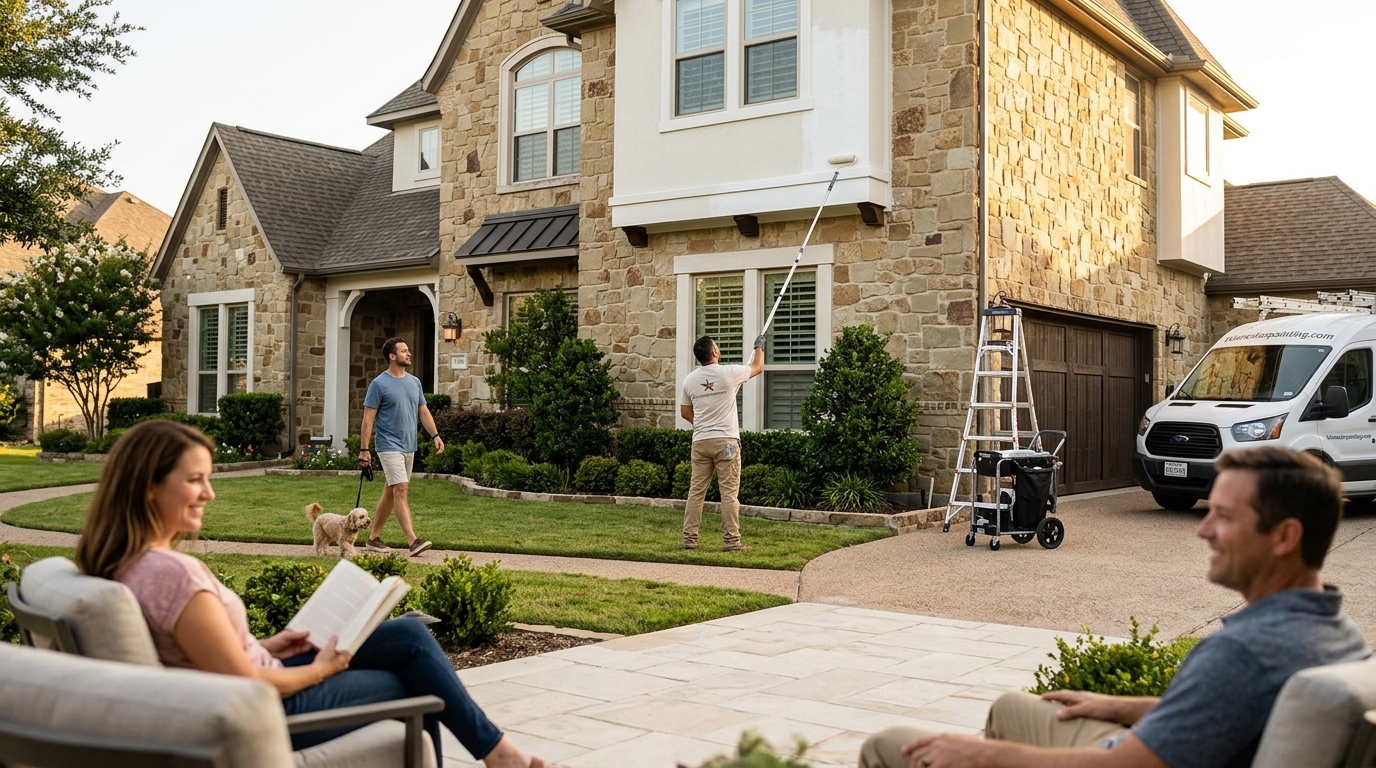
When is the Best Time to Paint Exterior House in Texas?
Homeowners across the Lone Star State face a unique challenge when planning exterior renovations. The intense heat and unpredictable humidity of Texas can ruin a paint job if the timing is off. According to industry data, improper application due to temperature extremes is a leading cause of premature paint failure, affecting millions of homes annually. This guide details the optimal windows for exterior painting in San Antonio and surrounding regions, ensuring your investment lasts for years.
The Ideal Seasonal Windows for Texas Exterior Painting
Timing is not just about the calendar; it is about the microclimate of your specific neighborhood. In Texas, the two most reliable windows for exterior painting are early spring and late fall. These periods offer the stable temperatures required for proper paint curing.
Early Spring: The Rush for Curb Appeal
March and April often provide mild days and cooler nights. This is ideal for homeowners who want to refresh their home before the summer heat arrives. However, spring in Texas can be volatile. Rain showers are common, and humidity levels can spike. Paint needs dry conditions to adhere properly. If you choose spring, you must monitor the forecast closely. Weather patterns in Central Texas can shift rapidly, so flexibility in your schedule is essential.
Late Fall: The Quiet Season Advantage
October and November are often considered the "gold standard" for exterior painting in Texas. The intense heat of summer has broken, and the freezing temperatures of winter have not yet arrived. Contractors like Texas Lonestar Painting often find that fall projects allow for more meticulous preparation because the sun is less aggressive during the workday. This season offers long, dry days that are perfect for power washing and priming.
Critical Temperature and Humidity Rules
Paint is a chemical product that reacts to its environment. Understanding the science behind application temperatures is crucial for longevity. Environmental protection guidelines suggest that paint performance is heavily dependent on the substrate temperature, not just the air temperature.
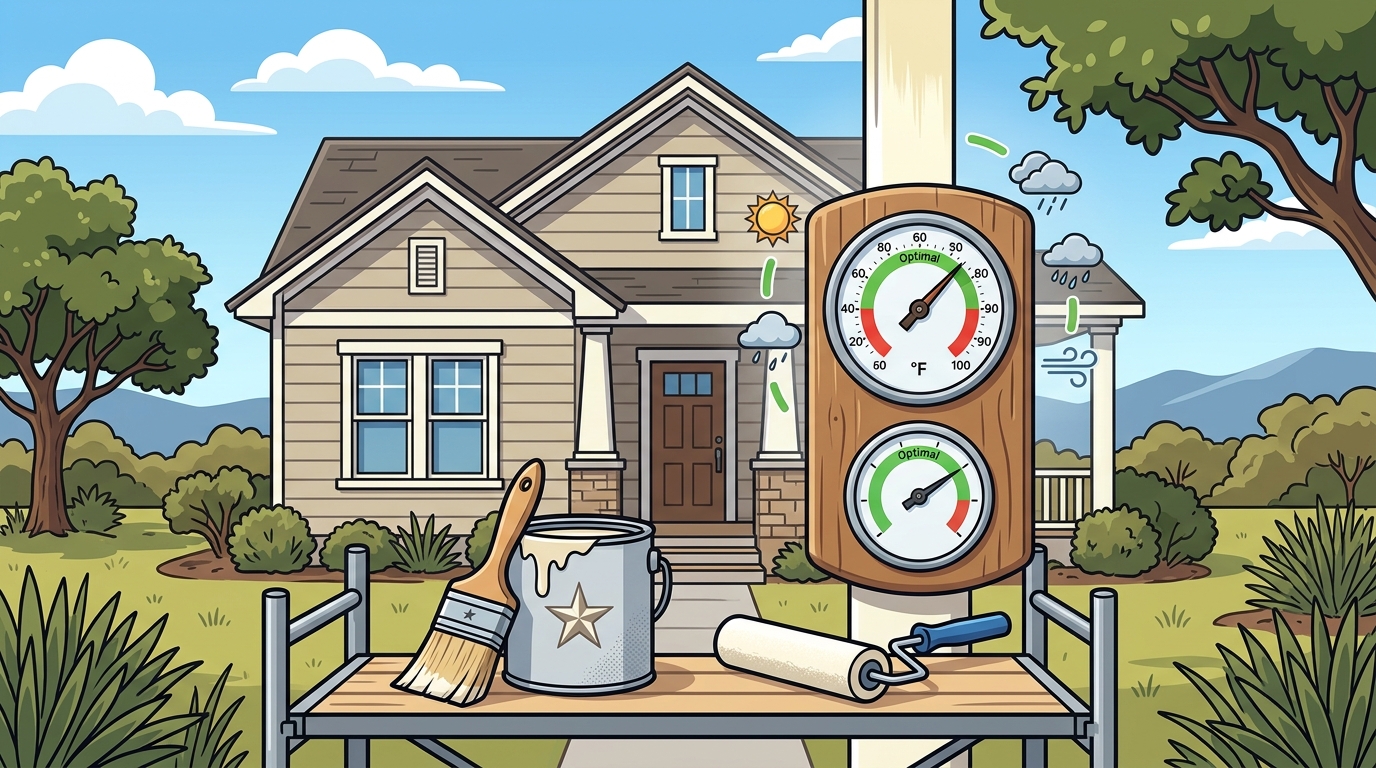
The 50 to 90 Degree Rule
Most high-quality exterior paints are designed to perform optimally when the temperature is between 50°F and 90°F. Painting in Texas requires strict adherence to this range. If the temperature exceeds 90°F, the paint may dry too quickly. This rapid drying prevents the paint from "leveling," resulting in visible brush marks and an uneven finish. It also reduces the paint's ability to bond with the surface, leading to peeling later.
The Danger of Humidity
Humidity is the silent enemy of exterior paint. When humidity is high, water vapor in the air slows down the evaporation of solvents from the paint. This can lead to blistering, mildew growth, and a failure to cure. In Texas, humidity often peaks in the summer. Even if the temperature is moderate, high humidity can ruin a job. Always check the relative humidity before scheduling a painting crew.
How Home Materials Affect Timing
Not all homes are painted the same way. The material of your exterior dictates how it reacts to the Texas climate. Exterior painting services must account for these differences during the consultation phase.
Stucco and Brick
Stucco and brick are porous materials. They absorb water and expand or contract with temperature changes. Painting these surfaces requires a time when the material is stable. Extreme heat can cause stucco to expand, trapping moisture behind the paint film. This leads to bubbling. Late fall is often safer for brick and stucco because the temperature fluctuations are less severe.
Wood Siding and Trim
Wood is sensitive to moisture. If you paint wood siding during a period of high humidity or before a rainstorm, the wood may still be damp. Trapped moisture will cause the paint to peel within months. Professional painters use moisture meters to ensure wood surfaces are dry before applying primer. This step is critical in Texas where rain can appear unexpectedly.
The Role of Pressure Washing in Timing
Preparation is 80% of the job. In Texas, exterior surfaces accumulate dirt, algae, and oxidation from the sun. Pressure washing is a mandatory step before any painting project. Pressure washing services help remove these contaminants to ensure paint adhesion.
The timing of pressure washing is just as important as the timing of painting. You need a stretch of dry weather to allow the house to dry completely. If you pressure wash and then paint too soon, the trapped water will compromise the new paint job. In San Antonio, a three to five day window of dry weather is ideal after washing and before painting.
Spring vs. Fall: Which is Better?
Choosing between spring and fall depends on your priorities. Both seasons have distinct advantages and risks. The table below summarizes the key differences.
| Factor | Early Spring (March-April) | Late Fall (October-November) |
|---|---|---|
| Temperature Stability | Variable; can swing from cold to hot quickly. | Stable; consistent mild days and cool nights. |
| Humidity Levels | Often higher due to spring rains. | Generally lower and more comfortable. |
| Scheduling Availability | High demand; books up fast. | More availability for detailed prep work. |
| Risk of Rain | Higher risk of sudden showers. | Lower risk of prolonged wet spells. |
For most Texas homeowners, late fall offers a safer bet for a flawless finish. However, if you need to sell your home, spring painting can boost curb appeal during the peak real estate season. Contact us to discuss your specific timeline and goals.
Key Takeaways
- Optimal Windows: Early spring (March-April) and late fall (October-November) are the best times for exterior painting in Texas.
- Temperature Limits: Keep painting between 50°F and 90°F to ensure proper curing and adhesion.
- Humidity Matters: High humidity slows drying and causes blistering. Monitor forecasts closely.
- Material Sensitivity: Stucco and brick require stable temperatures to prevent moisture trapping.
- Prep is Critical: Pressure washing must be followed by several days of dry weather before painting.
- Local Expertise: Texas Lonestar Painting has over 15 years of experience navigating San Antonio's climate.
- Discounts Available: Ask about 5% discounts for military, veterans, first responders, and teachers.
Frequently Asked Questions
Can I paint my house exterior in the summer in Texas?
Painting in the Texas summer is generally not recommended. Temperatures often exceed 90°F, causing paint to dry too quickly. This leads to poor adhesion and visible brush marks. The intense sun can also bake the paint onto the surface before it has a chance to level out.
What is the best month to paint the exterior of a house in San Antonio?
October and November are often considered the best months. The weather is mild, humidity is lower, and the risk of extreme heat is gone. This allows painters to take their time with preparation and application, resulting in a higher quality finish.
Does humidity affect exterior paint?
Yes, humidity significantly affects exterior paint. High humidity prevents the solvents in the paint from evaporating properly. This can cause the paint to blister, peel, or develop mildew. It is crucial to check the humidity levels before scheduling a painting project.
How long does exterior painting take in Texas?
The timeline depends on the size of the home and the condition of the exterior. A typical residential project takes 3 to 5 days. This includes power washing, prep work, priming, and two coats of paint. Weather delays can extend this timeline, which is why scheduling during stable seasons is important.
Do you offer discounts for military or teachers?
Yes, Texas Lonestar Painting offers a 5% discount for military members, veterans, first responders, and teachers. We are proud to support our San Antonio community. Contact us to verify your eligibility when scheduling your consultation.
Why is pressure washing necessary before painting?
Pressure washing removes dirt, algae, and loose paint from the surface. If you paint over dirty surfaces, the new paint will not adhere properly. This leads to premature peeling and failure. Proper prep ensures the paint lasts for years.
What happens if it rains after I paint my house?
If it rains before the paint has fully cured, it can wash away the paint or cause it to run. Most exterior paints need 24 to 48 hours to dry to the touch, but full curing takes longer. It is important to monitor the weather forecast and avoid scheduling painting right before a storm.
Schedule Your Exterior Painting Consultation
Don't let the Texas heat ruin your home's curb appeal. Timing is everything when it comes to exterior painting. Whether you choose the freshness of spring or the stability of fall, professional execution is key. Texas Lonestar Painting brings over 15 years of experience and a 99.9% customer satisfaction rate to every project. We provide detailed, transparent estimates and use high-durability coatings designed for our local climate.
Ready to transform your property? Schedule a consultation today. We will assess your home's specific needs and recommend the best time to start your project. Get a free estimate and join the thousands of happy homeowners who trust us with their homes.