
What Are the Signs That My Deck Needs to Be Restained or Repainted?
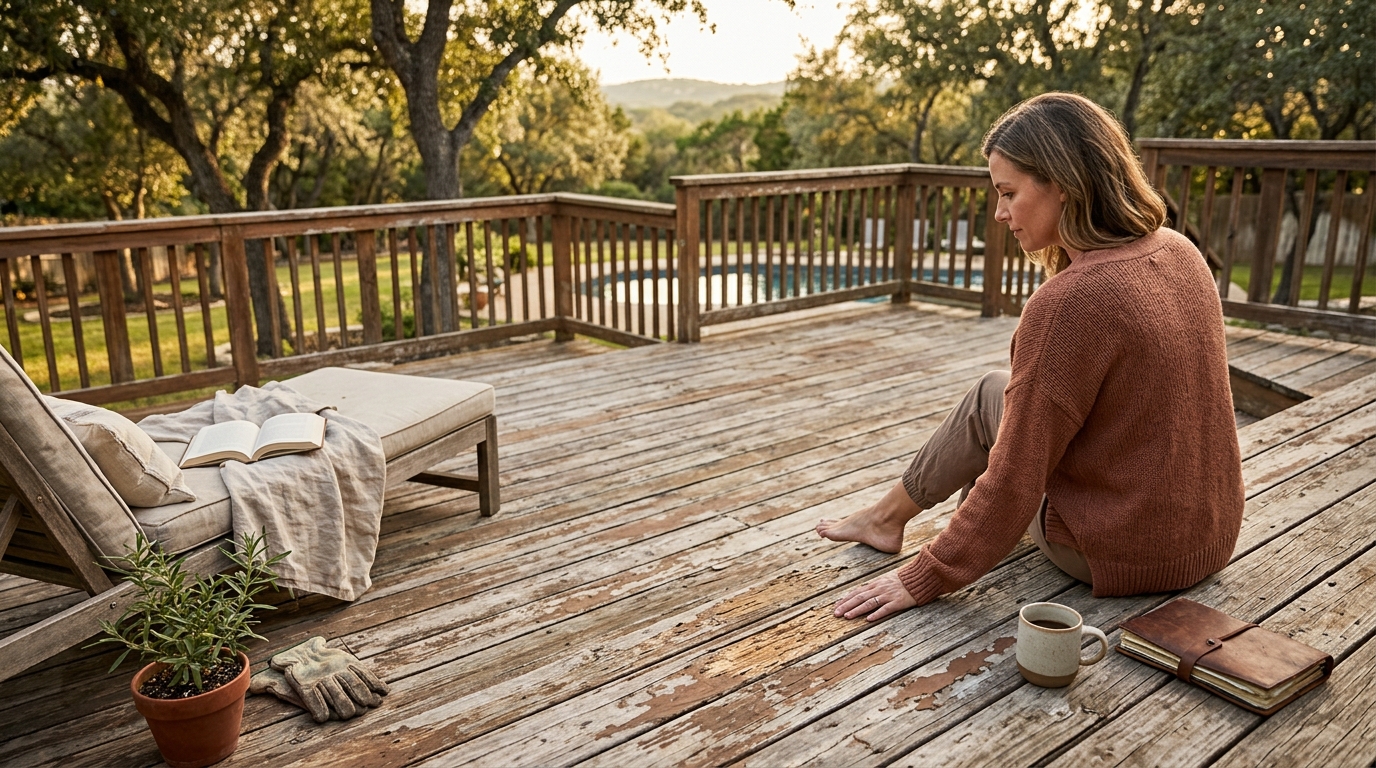
Homeowners in Texas face unique environmental pressures that accelerate wood degradation. According to industry data, nearly sixty percent of untreated wooden structures require major surface restoration within five years of initial installation. Weathering is the gradual degradation of wood fibers caused by prolonged exposure to ultraviolet radiation and moisture. When your outdoor living space begins showing visible wear, addressing those changes early prevents costly structural repairs. This diagnostic guide outlines the exact visual and tactile indicators that signal it is time to schedule professional deck staining services in San Antonio. (Painting amp Home Improvement)
Fading and Discoloration Patterns
Color shifts represent the most common first warning sign that your protective coating has reached the end of its functional lifespan. Pigments suspended in deck stains gradually break down when exposed to direct sunlight. Stain penetration is the process where pigmented oils absorb into porous timber to create a protective barrier against environmental damage. Once that barrier degrades, the underlying wood grain becomes visible and takes on a grayish or silver tone. You can verify this condition by sprinkling water on a small test area. If the liquid absorbs rapidly instead of beading up, the protective layer has completely failed. Contact our team at Texas Lonestar Painting to schedule a professional color assessment and surface evaluation.
UV Exposure Impact
Direct sunlight accelerates the breakdown of chemical binders in both transparent and solid stains. Homes located near open fields or south-facing exposures experience faster pigment degradation. Regular visual inspections every six months help you track these changes before they compromise structural integrity.
Color Matching Challenges
Attempting to touch up faded sections with new stain often results in patchy, uneven appearances. Professional contractors blend existing tones with fresh applications to maintain a uniform aesthetic across the entire structure.
Surface Texture Changes and Splintering
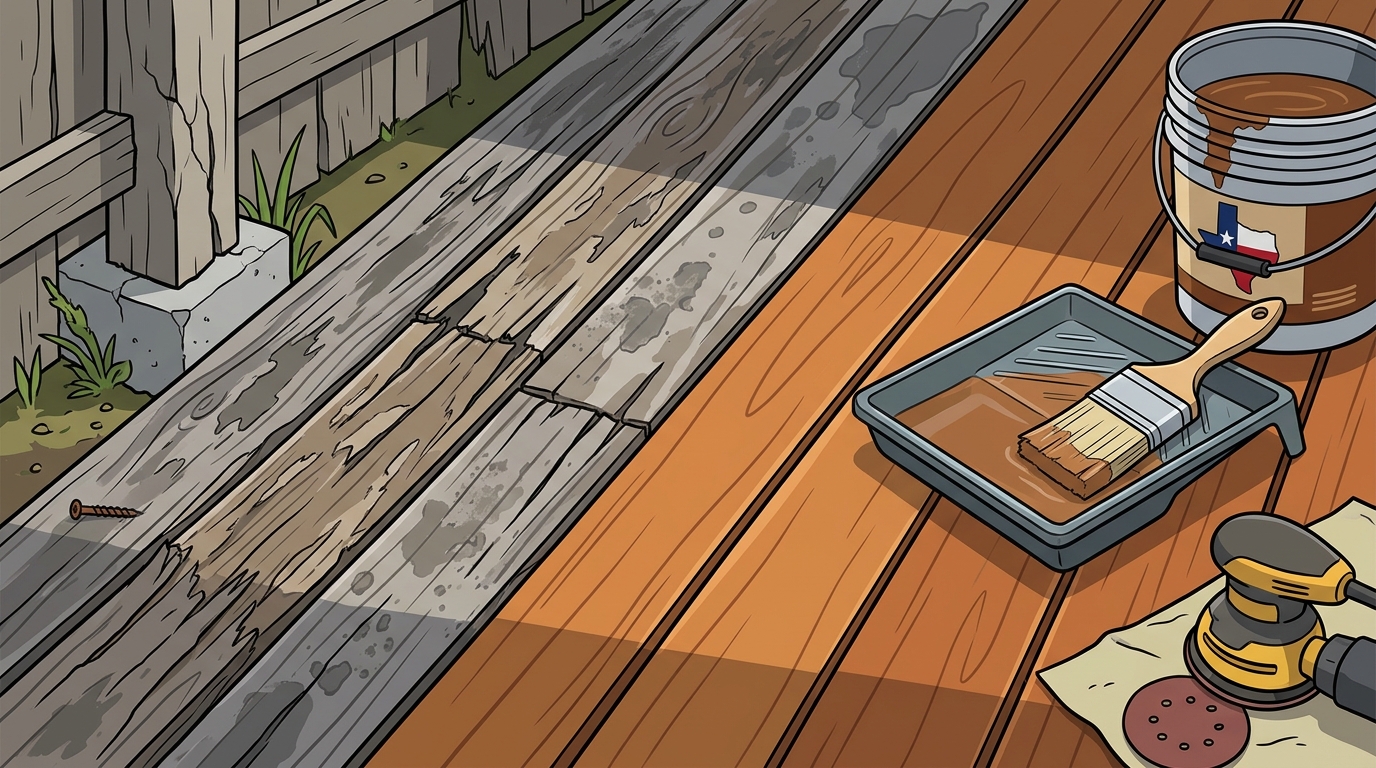
Smooth wooden surfaces should always feel consistent under bare feet. When you begin noticing rough patches, raised grain, or small splinters, the protective finish has worn through completely. Surface prep is the mandatory cleaning and sanding phase that ensures new coatings adhere properly to existing substrates. Splintering occurs when moisture cycles cause wood fibers to expand and contract repeatedly. This physical stress eventually causes the outer layers to lift away from the core material. Walking barefoot on compromised decking increases the risk of painful injuries and long-term foot damage. Our certified crews perform thorough surface evaluations before recommending any restoration approach.
Raised Wood Grain
Repeated wetting and drying cycles cause microscopic wood fibers to stand upright. This rough texture indicates that the original stain can no longer repel moisture effectively. Light sanding and a fresh application restore the original smooth finish.
Splinter Prevention Protocols
Ignoring early texture changes leads to deeper cracks and potential board failure. Professional restaining seals these vulnerable areas and restores structural safety for daily use.
Water Absorption and Moisture Damage
Water resistance remains the primary function of any quality deck coating. When you pour a cup of water onto your deck boards and watch it soak directly into the wood, your protective barrier has completely failed. Moisture intrusion causes internal swelling, fastener corrosion, and eventual board rot. According to building science research, untreated wood absorbs approximately twice as much water as properly sealed timber. This rapid absorption accelerates freeze-thaw damage and promotes structural decay. You can perform a simple drip test across multiple board sections to map out affected areas. Our specialists use moisture meters to detect hidden saturation before visible damage appears. Visit our booking page to schedule a comprehensive moisture assessment.
Fastener Corrosion Risks
Exposed nails and screws rust quickly when moisture penetrates unprotected wood. Rusted fasteners lose their holding power and create loose board sections. Replacing compromised hardware during restaining extends the overall lifespan of your structure.
Subfloor Protection Standards
Water trapped beneath deck boards causes hidden rot that compromises structural support. Professional contractors seal sub-deck areas and install proper ventilation to prevent long-term damage.
Peeling Stain or Flaking Finish
Peeling occurs when a thick coating forms a plastic-like layer that cannot breathe. Moisture trapped beneath that layer forces the finish to lift away from the wood surface. Flaking creates tripping hazards and exposes raw timber to immediate environmental damage. Solid color stains are more prone to peeling than penetrating oil-based alternatives. Applying a new coat over peeling material without proper removal guarantees premature failure. Our technicians strip compromised finishes using professional-grade cleaning solutions. We then apply thin, breathable layers that allow natural wood expansion. Learn more about our complete exterior restoration process at our exterior services page.
Coating Thickness Guidelines
Thick paint layers trap moisture and create visible peeling patterns. Professional contractors apply thin, even coats that penetrate deeply into wood pores. This method prevents future flaking and maintains a natural wood appearance.
Safe Stripping Techniques
Chemical strippers can damage surrounding landscaping if not applied carefully. Our crews use eco-friendly solutions that break down old finishes without harming nearby plants or pets.
Mold, Mildew, and Algae Growth
Dark spots or fuzzy patches on your deck boards indicate excessive moisture retention and biological growth. Mold spores thrive in shaded, humid environments and rapidly degrade wood fibers. Algae creates slippery surfaces that increase fall risks for children and pets. According to environmental health studies, untreated organic growth can reduce deck surface friction by up to forty percent. Regular cleaning and proper stain selection prevent these biological invaders from establishing permanent colonies. Our pressure washing services remove existing growth before applying fresh protective coatings. We recommend mildew-resistant stains for properties located near trees or standing water. Contact us at our contact page to discuss customized stain formulations for your specific property layout.
Shade Management Strategies
Overhanging branches create damp microclimates that accelerate biological growth. Trimming nearby foliage improves air circulation and reduces moisture retention on deck surfaces.
Biological Resistance Formulations
Modern stains include algaecides and mildewcides that actively prevent spore colonization. Selecting the right formulation based on your property exposure ensures long-term surface health.
Restoration Options Comparison
| Coating Type | Best For | Expected Lifespan | Maintenance Frequency |
|---|---|---|---|
| Transparent Oil Stain | Highlighting natural wood grain | Two to three years | Annual cleaning and spot touch-ups |
| Semi-Transparent Stain | Balanced protection and color | Three to five years | Biennial surface prep and reapplication |
| Solid Color Stain | Maximum UV protection and coverage | Five to seven years | Full stripping and recoating required |
| Deck Sealant | Moisture barrier without color | One to two years | Regular water testing and reapplication |
Key Takeaways
- Wood absorbs approximately twice as much water as properly sealed timber when coatings fail.
- Nearly sixty percent of untreated wooden structures require major surface restoration within five years of initial installation.
- Untreated organic growth can reduce deck surface friction by up to forty percent, creating serious slip hazards.
- Transparent oil stains typically require annual cleaning and spot touch-ups to maintain optimal protection.
- Semi-transparent stains offer a balanced three to five year lifespan with biennial surface prep requirements.
- Solid color stains provide maximum UV protection with a five to seven year lifespan before full stripping is needed.
- Our company has completed over three million dollars in restoration projects with a ninety-nine point nine percent customer satisfaction rating.
Frequently Asked Questions
How often should I restain my wooden deck?
Most wooden decks require restaining every three to five years depending on exposure levels and coating type. Properties in direct sunlight or high-humidity zones may need more frequent applications. Regular water drip tests help you determine the exact timing for your specific property.
Can I apply new stain over existing peeling finish?
Applying new stain over peeling material guarantees premature failure and uneven aesthetics. Professional contractors must strip compromised finishes before applying fresh coatings. This process ensures proper adhesion and extends the overall lifespan of your restoration.
What is the difference between staining and sealing a deck?
Staining adds color and UV protection while sealing focuses solely on moisture resistance. Many homeowners combine both approaches using semi-transparent formulations. Our experts evaluate your specific wood type and exposure to recommend the optimal solution.
How do I know if my deck boards are rotting?
Soft spots, deep cracks, and visible fungal growth indicate advanced rot. Pressing a screwdriver into suspect areas reveals compromised structural integrity. Immediate professional evaluation prevents dangerous board failures and costly replacements.
Is professional deck staining worth the investment?
Professional restaining extends deck lifespan by five to seven years compared to DIY applications. Proper surface prep and thin coating applications prevent peeling and moisture intrusion. Our certified crews deliver consistent results that protect your property value.
What preparation steps are required before restaining?
Complete surface cleaning, thorough drying, and targeted sanding form the foundation of any successful project. Removing loose debris and power washing ensures optimal coating adhesion. Our detailed process follows industry standards to guarantee long-lasting results.
How long does the restaining process take?
Most residential projects require two to three days for complete surface preparation and application. Weather conditions and board condition can slightly adjust these timelines. Our crews maintain tidy workspaces and provide clear completion estimates.
Ready to Restore Your Outdoor Living Space?
Ignoring early warning signs leads to expensive structural repairs and compromised safety. Our certified professionals deliver transparent quotes, precise surface evaluations, and durable restorations tailored to Texas climate conditions. We combine fifteen plus years of local expertise with premium materials to protect your investment. Visit our booking page to schedule your complimentary consultation today. Transform your property with San Antonio’s trusted painting experts and enjoy a safe, beautiful outdoor space for years to come.