
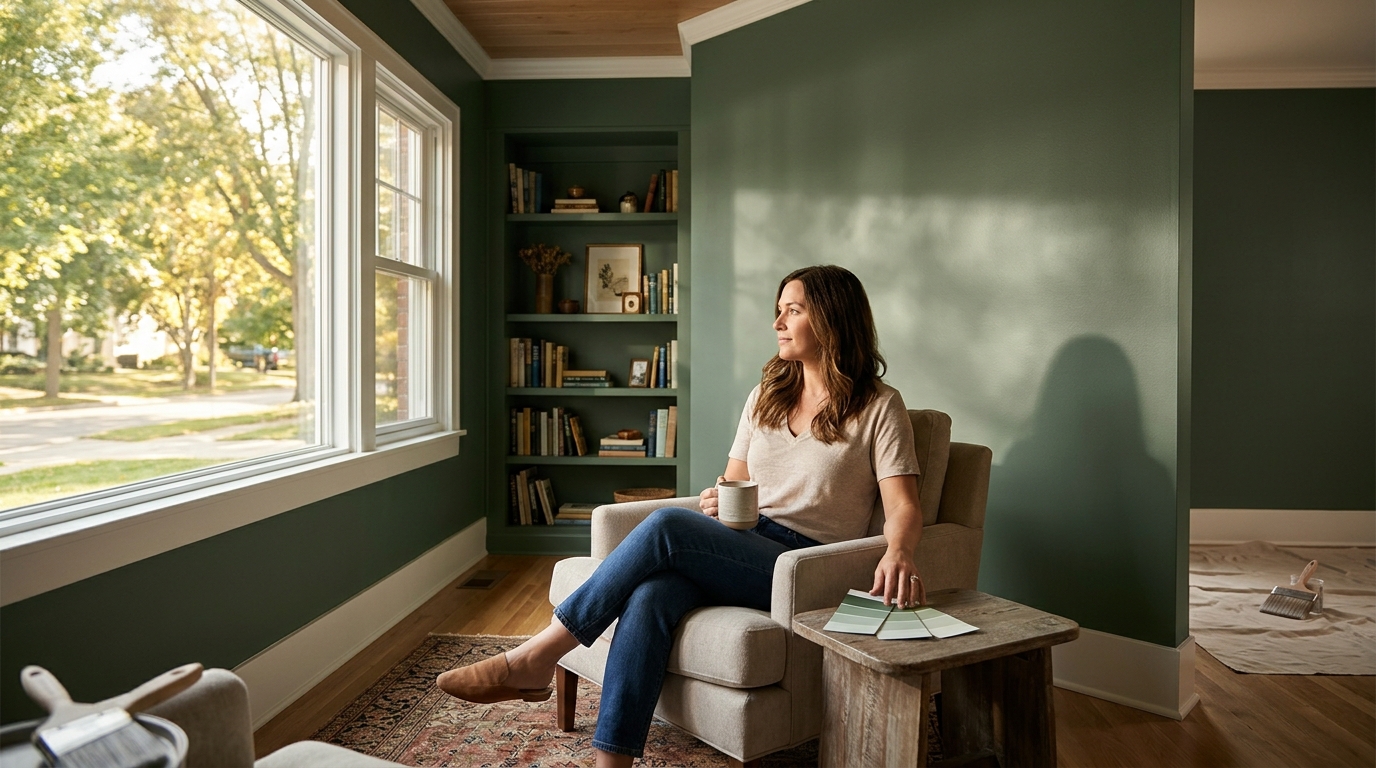
Interior painting is the most effective and affordable method to redefine a room's atmosphere, spatial perception, and overall aesthetic value. By altering color, texture, and finish, a fresh coat of paint can instantly modernize dated spaces, correct architectural flaws, and enhance natural light. Texas Lonestar Painting specializes in these transformative interior projects, ensuring that every brushstroke aligns with your specific design vision and lifestyle needs.
Color Psychology and Spatial Perception
Color is the primary driver of how a room feels. Interior painting is the process of applying pigmented coatings to walls and ceilings to manipulate light reflection and emotional response. Lighter hues, such as soft whites or pale grays, make smaller rooms feel larger and more open by reflecting more natural light. Conversely, darker tones like navy or charcoal create a sense of intimacy and coziness, which is ideal for bedrooms or home offices. The choice of color directly impacts the psychological state of the occupants, influencing mood and productivity.
In San Antonio, where natural light is abundant, homeowners often use lighter palettes to maximize brightness. However, strategic use of darker accents can add depth and sophistication. The implication is that color selection is not merely decorative; it is a functional tool for spatial design. A well-chosen palette can hide imperfections in wall angles or make a room feel more balanced. Texas Lonestar Painting helps clients navigate these choices by assessing the room's orientation and existing lighting conditions.
Surface Preparation and Durability
A beautiful finish relies entirely on proper surface preparation. Preparation is the critical phase of interior painting that involves cleaning, repairing, and priming surfaces to ensure optimal paint adhesion. Without this step, paint may peel, chip, or fail to cover previous colors effectively. Many homeowners underestimate the importance of this phase, leading to short-lived results. Professional crews handle drywall repairs, texture matching, and caulking to create a smooth, flawless canvas.
For high-traffic areas like hallways and kitchens, durability is paramount. Using premium, low-VOC paints ensures that the finish is not only beautiful but also safe for indoor air quality. These paints are designed to withstand daily wear and tear, resisting stains and scuffs. The implication is that investing in quality materials and professional preparation extends the life of your investment. Texas Lonestar Painting utilizes detailed surface restoration techniques to ensure that your new paint job lasts for years, not just months.
Architectural Details and Trim Work
Trim and architectural details define the character of a room. Trim painting is the specialized application of paint to baseboards, crown molding, window casings, and doors to create crisp, defined lines. This element of interior painting adds a layer of sophistication and polish that wall color alone cannot achieve. Crisp white trim against a colored wall creates a classic, timeless look, while contrasting trim can add a modern, bold statement.
Proper masking and cutting-in techniques are essential to achieve sharp, clean lines. This requires skill and precision, as any bleed-through can ruin the overall aesthetic. The implication is that trim work is a high-skill task that significantly elevates the perceived quality of the entire project. Texas Lonestar Painting excels in detailed trim work, ensuring that every edge is sharp and every surface is perfectly finished. This attention to detail transforms a standard room into a curated space.
Lighting and Finish Selection
The finish of your paint affects how light interacts with the surface. Paint finish is the level of sheen or gloss applied to a painted surface, ranging from flat to high-gloss. Flat finishes hide wall imperfections but are harder to clean, making them suitable for ceilings and low-traffic walls. Satin and semi-gloss finishes are more durable and easier to wipe down, ideal for kitchens, bathrooms, and trim. The choice of finish must align with the room's function and lighting.
In rooms with abundant natural light, a satin finish can add a subtle glow that enhances the color. In dimmer spaces, a flatter finish may be preferable to avoid highlighting flaws. The implication is that finish selection is a functional decision that impacts both aesthetics and maintenance. Texas Lonestar Painting guides clients through these choices, recommending the best finish for each specific area of the home to ensure both beauty and practicality.
Value and Curb Appeal from the Inside
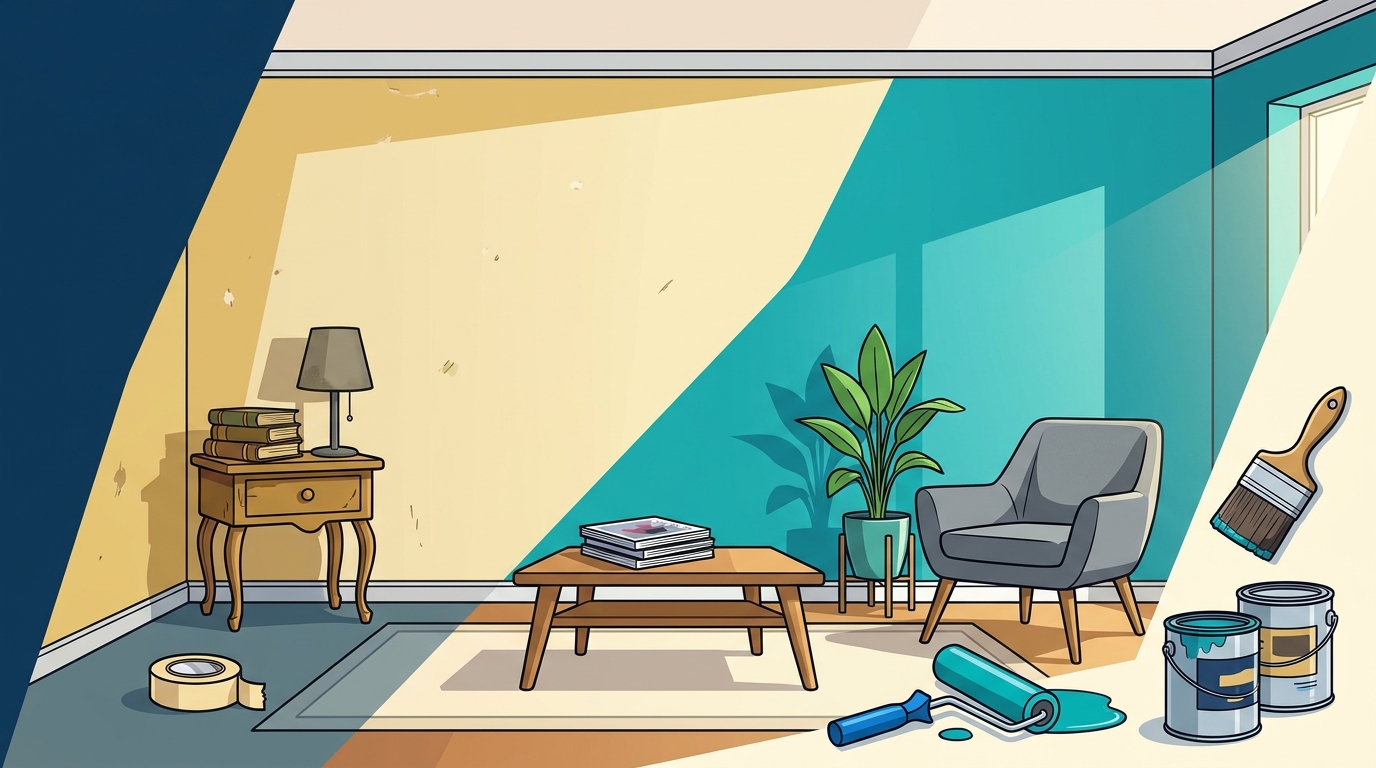
Interior painting directly impacts your home's market value. Home renovation is the process of improving a property's condition and appearance to increase its worth. A freshly painted interior is one of the most cost-effective ways to boost curb appeal and buyer interest. Potential buyers often judge a home's overall condition by the freshness of its interior. A neutral, well-maintained interior makes it easier for buyers to envision themselves in the space.
Even if you are not planning to sell, a fresh interior can increase your own satisfaction and comfort. The implication is that interior painting is a long-term investment in your living environment. Texas Lonestar Painting helps homeowners make strategic color and finish choices that not only look great but also add tangible value to their property. This approach ensures that your investment in painting pays off in both aesthetic and financial terms.
Key Takeaways
- Color selection is a functional tool that manipulates spatial perception and emotional response.
- Proper surface preparation is essential for a durable, long-lasting paint finish.
- Trim and architectural details add sophistication and define the room's character.
- Paint finish selection should align with the room's function and lighting conditions.
- Interior painting is a cost-effective way to increase home value and curb appeal.
- Professional expertise ensures precise application and high-quality results.
Frequently Asked Questions
How long does an interior painting project take?
The duration depends on the size of the area and the level of preparation required. A single room may take one to two days, while a full home can take several weeks. Texas Lonestar Painting provides a detailed timeline during the consultation phase.
Do I need to move my furniture?
It is recommended to move or cover furniture to protect it from dust and paint splatter. Professional crews often use heavy-duty drop cloths and plastic sheeting to ensure your belongings remain safe and spotless.
What is the difference between low-VOC and standard paint?
Low-VOC paint contains fewer volatile organic compounds, which are chemicals that can affect indoor air quality. It is safer for families and pets and has a milder odor, making it a popular choice for interior projects.
Can I paint over dark colors with light colors?
Yes, but it may require multiple coats or a tinted primer to ensure full coverage. Professional painters assess the existing color and recommend the best approach to achieve a uniform, opaque finish.
How do I choose the right paint finish?
Consider the room's function and lighting. Flat finishes are good for ceilings and low-traffic walls, while satin or semi-gloss finishes are better for high-traffic areas like kitchens and bathrooms.
Does Texas Lonestar Painting offer color consultation?
Yes, the team provides personalized color consultation to help you choose the right palette for your space. They consider your style, the room's orientation, and existing decor to recommend the best options.
Conclusion
Interior painting is a powerful tool for transforming your home's look and feel. By carefully selecting colors, finishes, and preparation methods, you can create spaces that are both beautiful and functional. Texas Lonestar Painting brings expertise and precision to every project, ensuring that your home reflects your unique style. To start your transformation, for a free consultation and estimate.