
How to Choose a Contractor
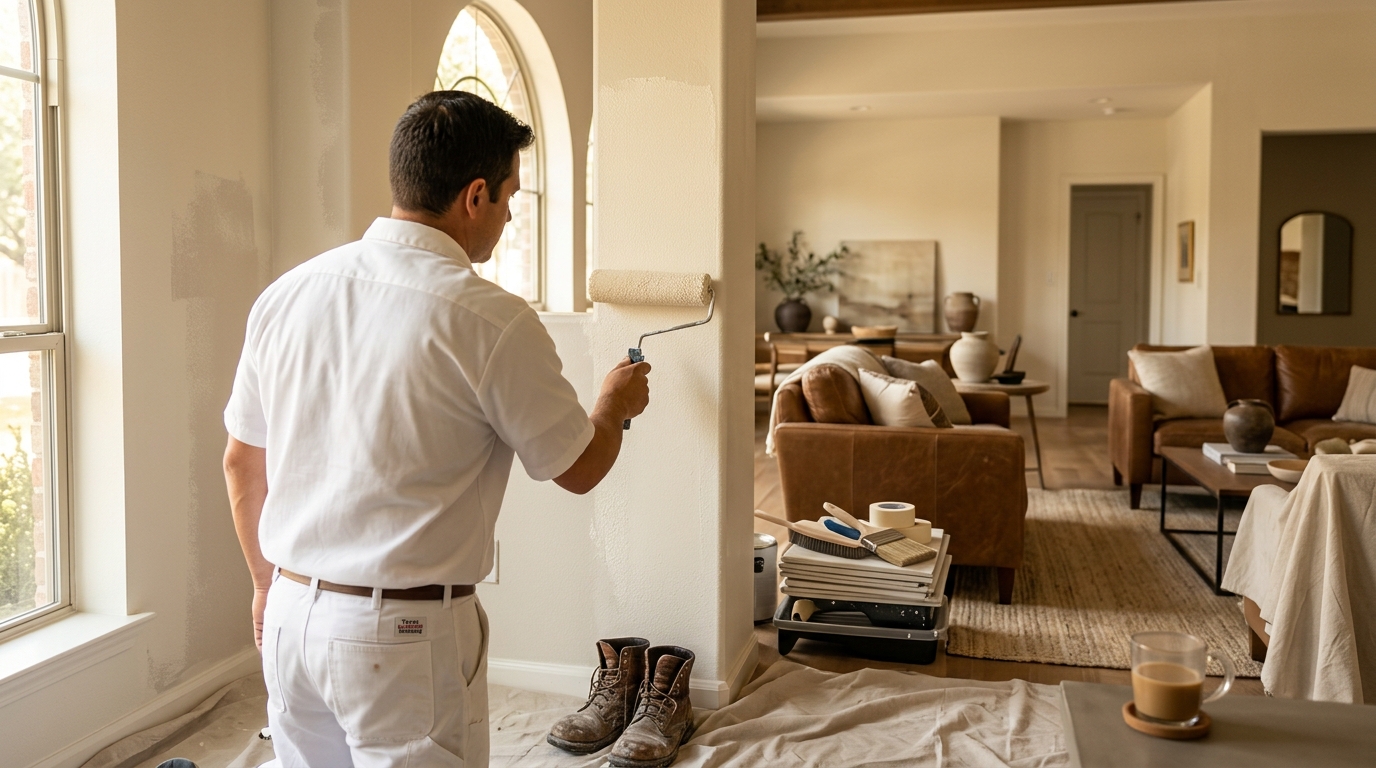
Choosing the right painter is about more than the lowest bid. A professional contractor is a business entity that provides insured, licensed, and experienced labor for residential or commercial projects. In San Antonio, you should look for a team that understands local climate impacts on interior finishes. Texas Lonestar Painting emphasizes a 5.0 Google review rating and a commitment to professional integrity. This reputation is built on detailed surface restoration and dust-free protection protocols. Avoid contractors who provide vague estimates or refuse to discuss their preparation methods.
Experience and Local Knowledge
Local experience matters because San Antonio homes often feature specific textures and materials. A skilled crew knows how to handle drywall repairs and texture matching, which is essential for many local properties. They also understand the humidity levels that can affect paint adhesion. Look for a provider that has been operating in the area for several years.
Communication and Transparency
Clear communication is a hallmark of a reliable service provider. The best contractors offer a comprehensive, one-hour on-site estimate. This ensures you know exactly what is included in the price. They should be willing to walk you through the scope of work before any paint is opened.
What to Ask Before Committing
Before signing a contract, you must ask specific questions to protect your investment. Preparation is the most critical phase of any painting job. You should ask how they handle surface cleaning, sanding, and priming. A professional team performs deep degreasing and detailed sanding to ensure the new color bonds perfectly. Ask if they use low-VOC paints, which are safer for your family and pets.
Preparation and Protection
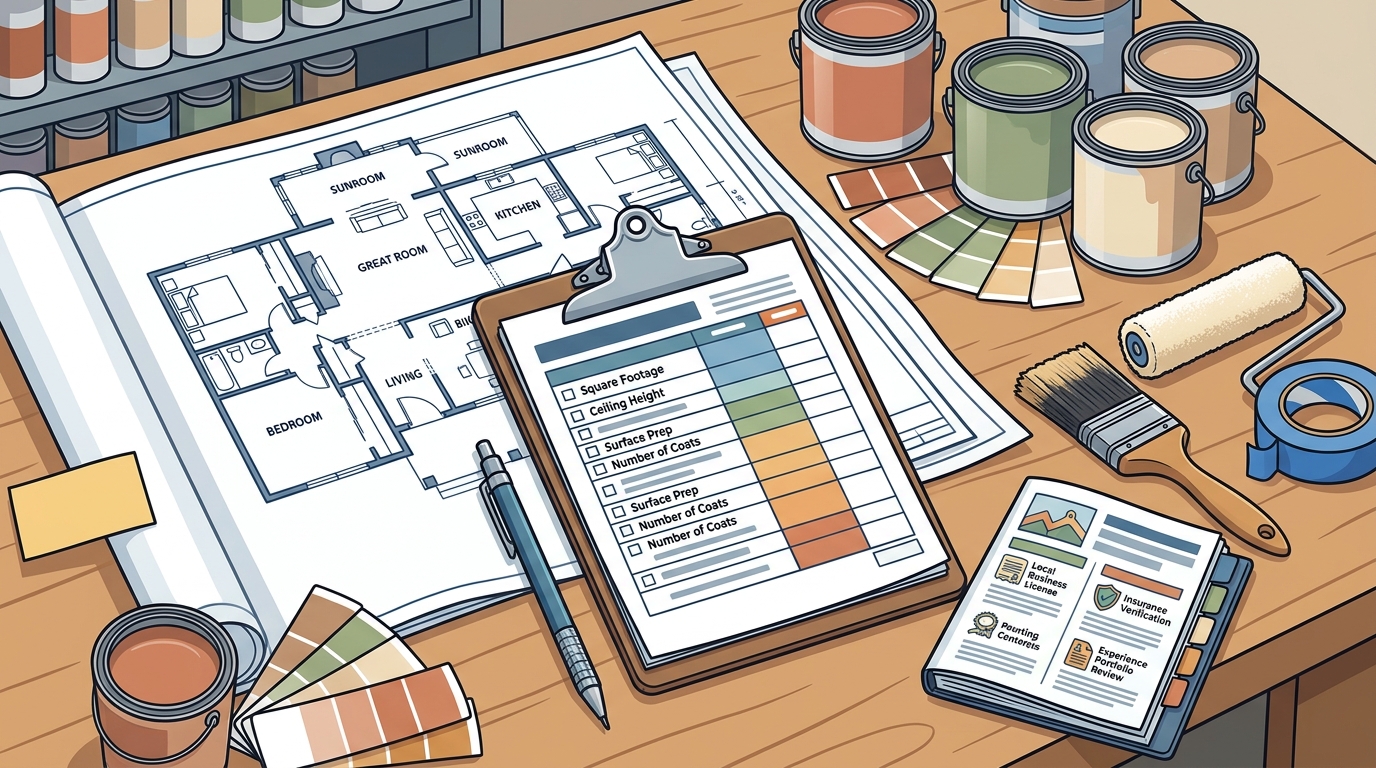
Ask about their floor and furniture protection methods. Heavy-duty drop cloths and precision masking are standard for high-quality work. This prevents dust and overspray from settling on your belongings. You should also ask if they move heavy furniture or if you need to do it.
Warranty and Support
Inquire about their warranty policy. A reputable company stands behind its work. They should offer a final walkthrough to ensure every detail meets their standards. Ask if they provide ongoing support for touch-ups or maintenance after the project is complete.
How to Verify Credentials
Verifying a contractor's claims is essential for peace of mind. A licensed contractor is a professional who has met the state and local regulatory requirements to operate legally. In Texas, you can verify general business licenses through the Texas Comptroller of Public Accounts. You should also check for liability insurance and workers' compensation coverage. This protects you from liability if an accident occurs on your property.
Check Reviews and References
Look for consistent, recent reviews on independent platforms. A 5.0 rating on Google is a strong indicator of customer satisfaction. Ask for references from recent projects similar to yours. Contact these past clients to ask about the crew's punctuality and cleanliness.
Insurance Verification
Request a Certificate of Insurance (COI) directly from the insurer. Do not rely on a photo of a policy. The COI should list your property as the certificate holder. This ensures the policy is active and covers the specific scope of work.
The Painting Process
Understanding the workflow helps you manage expectations. The process typically follows a logical sequence: consultation, estimation, preparation, application, and final inspection. Texas Lonestar Painting uses a streamlined workflow to minimize disruption. The on-site assessment is usually completed within one hour. This efficiency allows you to plan your schedule with confidence.
Step 1: Consultation and Estimate
The project begins with a focused call to discuss your vision. The estimator visits your home to measure square footage and assess surface conditions. They provide a transparent, fixed-price quote with no hidden fees. This quote outlines exactly what is included in the labor and materials.
Step 2: Preparation and Masking
Preparation is where the quality is determined. The crew moves furniture, masks baseboards, and repairs drywall. They sand surfaces to create a smooth canvas. This step is crucial for preventing peeling and chipping over time.
Step 3: Application and Inspection
Using professional techniques, the crew applies even coats of paint. They cut in edges and roll walls for a consistent finish. The project concludes with a final walkthrough where you inspect every corner. The crew does not leave until you are satisfied.
Cost Drivers and Pricing
Paint Quality and Type
Surface Condition and Repairs
If your walls have significant damage, the cost will increase. Drywall repairs, texture matching, and caulking add to the labor time. A professional crew handles these repairs as part of the preparation phase. This ensures a smooth, professional result that lasts for years.
Common Mistakes to Avoid
Homeowners often make mistakes that lead to poor results or unexpected costs. One common error is choosing the cheapest bid without considering the scope of preparation. Low bids often cut corners on sanding and priming, leading to peeling paint. Another mistake is failing to protect your furniture and floors. Without proper masking, dust and overspray can ruin your belongings.
Skipping Surface Preparation
Painting over dirty or damaged surfaces is a recipe for failure. The paint will not adhere properly and will peel within months. Always ensure your contractor includes thorough cleaning and sanding in their estimate. This is the secret to a long-lasting finish.
Ignoring Color Selection
Choosing the wrong color can lead to a redo, which doubles the cost. Test paint samples in different lighting conditions. Natural light changes throughout the day, affecting how a color appears. Work with your painter to select a color that complements your home's architecture.
Professional vs. DIY
Many homeowners consider painting their own interiors to save money. While DIY can be cheaper upfront, it often lacks the precision and durability of professional work. A professional painter is a skilled tradesperson who uses specialized tools and techniques. They achieve a flawless, uniform surface that is difficult to replicate with consumer-grade tools. The time and effort required for a DIY project can also be significant.
Quality of Finish
Professional crews use HVLP sprayers and high-quality rollers to eliminate brush marks. This results in a smooth, showroom-quality finish. DIY projects often show roller texture or uneven coverage. The difference is noticeable and affects the overall aesthetic of your home.
Time and Convenience
A professional team can complete a project in a fraction of the time it would take a homeowner. They work efficiently and respect your schedule. You can continue your daily life while they work. This convenience is a significant value proposition for busy homeowners.
Costs for Specific Situations
Specific projects have unique cost drivers. Cabinet painting, for example, requires specialized skills and materials. It is more expensive than standard wall painting due to the precision required. Texas Lonestar Painting offers cabinet refinishing that stands up to daily demands. They use scuff-resistant coatings and professional spray application. This service is a cost-effective alternative to a full kitchen remodel.
Cabinet Painting and Refinishing
Cabinet painting involves deep degreasing, sanding, and high-adhesion priming. The doors and drawers are often removed and sprayed in a controlled shop environment. This ensures a flawless finish. The cost is higher per square foot than walls, but the value added to your kitchen is significant.
Texture Matching and Repairs
Many San Antonio homes have textured walls. Matching this texture is a specialized skill that adds to the cost. If your walls have significant texture, expect a higher price. The crew must replicate the existing pattern to ensure a seamless look. This is a critical detail that separates professional work from amateur attempts.
Rules and Protections
Understanding your rights as a consumer is important. In Texas, you are entitled to a written contract that outlines the scope of work, price, and timeline. This document protects both you and the contractor. You should also understand the local regulations regarding waste disposal. Paint and other materials must be disposed of properly. A professional contractor handles this compliance for you.
Contract Essentials
Your contract should include a detailed breakdown of labor and materials. It should specify the brand and type of paint to be used. It should also outline the payment schedule. Avoid paying the full amount upfront. A standard practice is to pay a deposit to secure the schedule and the remainder upon completion.
Liability and Insurance
Ensure the contractor carries general liability insurance. This covers any damage to your property during the project. Workers' compensation insurance covers the crew in case of injury. These protections are essential for avoiding personal liability. Always verify these policies before work begins.
San Antonio Local Factors
Climate and Humidity
San Antonio experiences high humidity, especially in the summer. This can slow down paint drying and affect the final finish. Professional painters use paints formulated for humid climates. They also manage ventilation to ensure proper drying. This attention to detail prevents issues like blistering or poor adhesion.
Architectural Styles
San Antonio homes feature a variety of architectural styles, from Spanish Colonial to modern. Each style has specific design considerations. A local painter understands how to enhance these features with color and finish. They can help you choose a palette that complements your home's unique character.
Timing Your Project
Timing can affect both the cost and the outcome of your project. Scheduling during off-peak seasons may result in lower prices or faster turnaround. However, the best time to paint is when you are ready. Texas Lonestar Painting offers flexible scheduling to accommodate your needs. They respect your schedule and maintain a tidy workspace. This ensures a smooth and stress-free experience.
Seasonal Considerations
While interior painting is less affected by weather than exterior work, humidity still plays a role. Spring and fall are often ideal times for interior projects. The moderate temperatures and lower humidity levels promote better paint adhesion. However, you can paint in any season if proper ventilation is maintained.
Life Events
Consider your life events when scheduling a paint job. If you are planning to sell your home, a fresh coat of paint can increase its value. If you are moving, painting before you arrive can help you settle in faster. Work with your contractor to find a time that fits your life. They will coordinate the schedule to minimize disruption.
Long-Term Results
A professional paint job is an investment in your home's longevity. High-quality paint and proper preparation result in a finish that lasts for years. You can expect your walls to remain vibrant and clean with minimal maintenance. Texas Lonestar Painting is committed to the long-term beauty and protection of your home. They remain available for future touch-ups or maintenance. This ongoing support ensures your investment continues to pay off.
Durability and Maintenance
Scuff-resistant coatings and low-VOC paints are designed to withstand daily wear and tear. They are easy to clean and resist stains. This durability means you will not need to repaint as often. The long-term savings on labor and materials make professional painting a smart financial decision.
Value and Aesthetics
A well-painted home has a higher perceived value. It creates a space that feels like home. The aesthetic appeal of a professional finish enhances your daily living experience. It also improves the overall value of your property. This is a key benefit of choosing a reputable local contractor.
Key Takeaways
- Preparation is the most critical factor in determining the final quality and cost.
- Always verify a contractor's insurance and license before signing a contract.
- Professional crews use specialized tools and techniques to achieve a flawless finish.
- Low-VOC paints are safer for your family and pets and are a premium option.
- Local expertise is essential for handling San Antonio's specific climate and architecture.
- A written contract with a detailed scope of work protects both you and the contractor.
- Long-term durability and value are the primary benefits of professional painting.
Frequently Asked Questions
How much does it cost to paint the interior of a house in San Antonio?
What is the most important factor in the cost of interior painting?
Surface preparation is the most important factor. It includes cleaning, sanding, and priming. Proper preparation ensures the paint adheres well and lasts for years. It also accounts for a significant portion of the labor cost.
How long does it take to paint the interior of a house?
The timeline depends on the size of the home and the scope of work. A standard room might take one to two days. A full home can take one to two weeks. The on-site estimate is usually completed within one hour.
Do I need to move my furniture?
Professional crews often move heavy furniture as part of their service. They use heavy-duty drop cloths and plastic sheeting to protect your belongings. You should confirm this with your contractor during the consultation.
What is a low-VOC paint?
Low-VOC paint is a type of paint that has low levels of volatile organic compounds. These compounds can affect indoor air quality. Low-VOC paints are safer for your family and pets and are a premium option.
How do I verify a contractor's insurance?
Request a Certificate of Insurance (COI) directly from the insurer. The COI should list your property as the certificate holder. This ensures the policy is active and covers the specific scope of work.
Can I choose the paint color myself?
Yes, you can choose the paint color yourself. Your painter can help you select a color that complements your home's architecture. They can provide samples and advice on how the color will look in different lighting conditions.
What is the benefit of professional painting over DIY?
Professional painting offers a higher quality finish, faster completion, and long-term durability. Professional crews use specialized tools and techniques to achieve a flawless, uniform surface. This is difficult to replicate with consumer-grade tools.